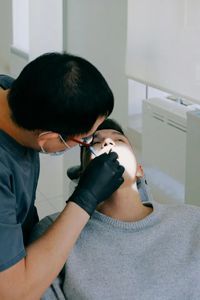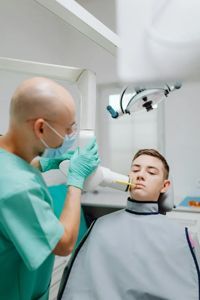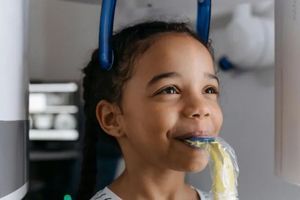


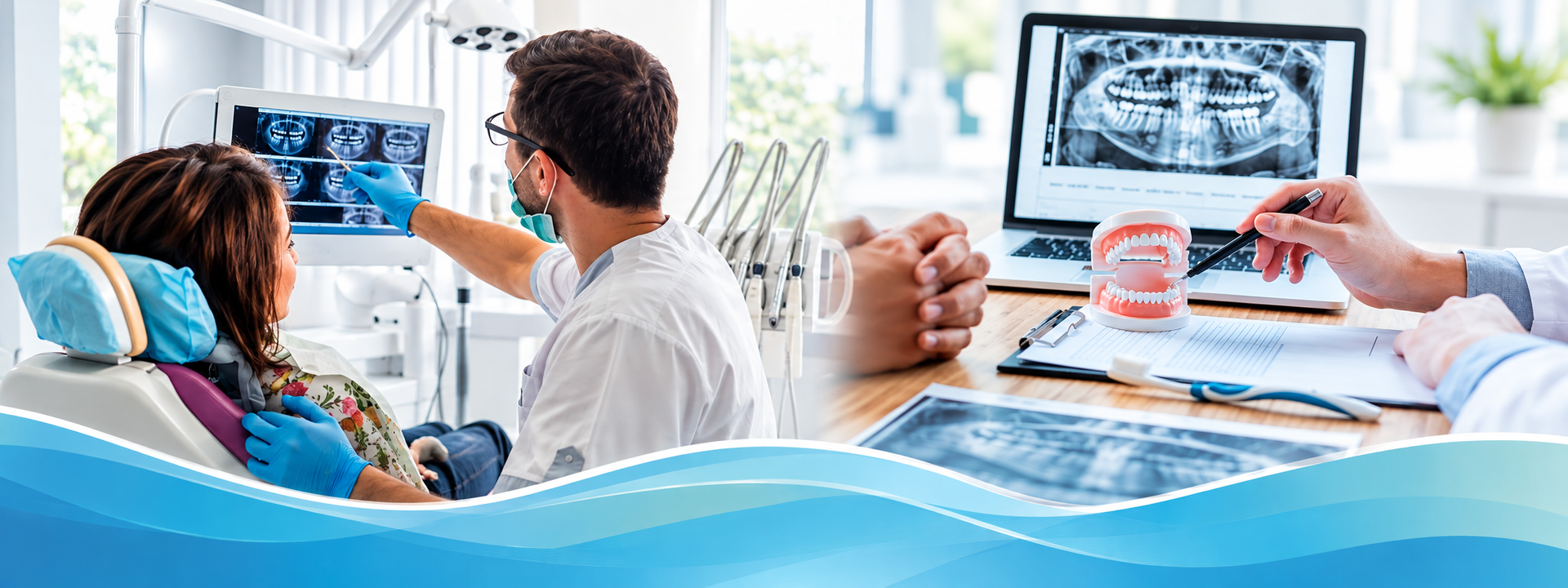
I wanted to take the time to share with you some of my thoughts on dental x-rays. I will start by saying that dental x-rays are extremely important to what we do everyday. There is no doubt about it. We have the ability to see between teeth and under the gums and deep within the jaw bones! We have found cysts and tumors and even stones in the carotid artery. However, we understand people are hesitant to take dental x-rays, and that is totally normal in today's climate of uncertainty and distrust. I get it. We get it. But now imagine at your work, your profession, the most difficult and stubborn person to work with. They want things on their terms, because they don't understand or have been misinformed. They don't mean to be difficult. They want to be helped, or else why would they see you? If they deny the type of diagnostic tools that help you do your job, and you have to guess on what is going on in their situation, you could end up unintentionally hurting them! This is why it is critical to discuss with your dentist the importance of dental x-rays, and how the amount and frequency of them can be altered based on risk of problems and medical history. It does not have to be all or none. A good dentist and dental hygienist will listen to your concerns and come up with a plan that minimizes x-rays, but still allows us to see what is going on in parts of your mouth we cannot see. We have patients that have not had cavities in years, and come to see us every 6 months. As a result, they have gums that are healthy and free of gum disease. We then reduce the amount of x-rays taken in their cases. It is also important to consider that dental x-rays have come a long way since they were invented. New technology has reduced the amount of radiation considerably. A full set of dental x-rays is only recommended once every 5 years. The amount of radiation for this set of x-rays is about the same as the radiation you receive when flying from Florida to California. A chest x-ray is four times more radiation, and a CT scan of your head is about 200 times more. This doesn't mean that the radiation for dental x-rays is insignificant, we still want to be cautious as possible, we just want to put it in perspective. When someone is new to our office we require a full set of x-rays, as this allows us to come up with a conservative and preventative treatment plan. However, we will gladly honor and utilize dental x-rays taken at another dental office within the last 5 years. This saves both radiation and money. So if you moved or are switching dentists, do not be afraid to reach out to your former dental office and request your x-rays, because after all they are your property.
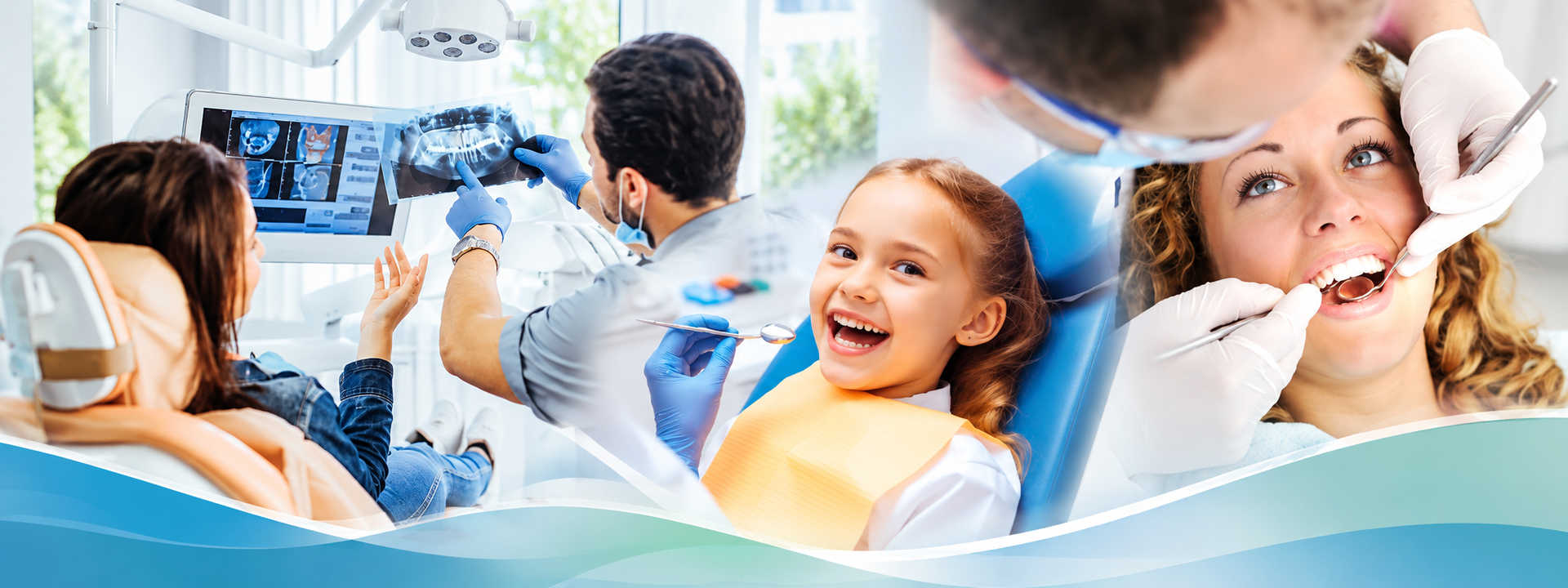
At our office, we get quite a few "second opinion" type of visits. Usually it is something like "A new dentist came in for my old dentist that retired, and all of a sudden they said I have 15 cavities, when I never had any before". Or we hear "The place my insurance sent me to has a different dentist every time I go in there. "Or the old classic:"The dentist and staff just wouldn't listen to what I was looking for", or some variation of this. You will also see negative comments like this on social media sites like Nextdoor or Facebook. In a world of "you get what you pay for", I would recommend going to a dentist that is consistent and allows you to help direct your own treatment. I can't stress enough the importance of consistency. Cavities start small, and can either grow quickly, or a lot of times stay very small. The problem is that one set of x-rays, taken on a given day, cannot accurately tell a dentist whether cavities or other conditions are advancing rapidly or staying put. The best way to evaluate a person's risk for cavities or acid wear or gum disease, is to get to know them. If I see only minor cavities on an x-ray, I tell the patient that we will see how they look at the next exam and go from there. My hygienist and I will give tips on how to keep the potential cavities from growing and mark them in the chart. If I find out a patient is moving out of town, I will caution them to make sure their new dentist does not try to fill teeth that we have been conservatively monitoring for years. This is how dentistry and medicine are supposed to work. Another major complaint we encounter during second opinion evaluations is that individuals received a plan for over ten thousand dollars worth of work without any clear explanation or visual representation. It's very possible this dentist had the patient's best interest in long-term health when crafting such a plan, but that kind of price tag can be a shock to the system, especially with little to no explaining of why or the potential benefits of such treatment. My recommendation would be to simply stop and ask a few questions, such as: "What would be the risk of not doing or delaying such treatment?" "Is there a less expensive alternative that can prevent future damage until I get the funds together?” And last but probably the most effective: "What would you do if you were in my position and money is tight?" Any defensive or short answer to these questions is an obvious red flag. When in doubt, get a second opinion. Find a place that has online reviews which specifically mention being conservative or honest.

For eight years, we have delivered quality and compassionate dentistry in a nondescript hallway-of-an-office, deep within a busy Publix plaza. Dr. McHenry practiced at our previous location for over 15 years, and while both of us have built strong reputations, many longtime Brevard County residents were still unaware of where we were located. That's no longer the case. We've taken a major step forward by relocating our office to the vibrant Highway A 1A corridor in northern Indialantic. The new location provides increased space, improved parking accessibility, and a sleek, contemporary environment. Most importantly, the office has been thoughtfully designed to highlight and support the latest advancements in dental technology. One of the most common things we hear from patients is, "Dentistry has come a long way since l was a kid growing up in a rural area." And it's true-modern dental care is more advanced, more comfortable, and more convenient than ever before. That convenience starts with scheduling. New patient visits can be booked entirely online, whenever it works for you-even in the middle of the night. In fact, we've seen appointments come in as early as 2 am, a clear sign that the days of calling during office hours are behind us. Our booking system is simple, flexible, and available 24/7. When you arrive, your experience is just as seamless. Check-in is fully digital, saving time and reducing paperwork. Our X-rays use a fraction of the radiation used in the past and appear instantly on screen. Each treatment room is equipped with large, high-definition monitors so we can walk you through your images-helping you see exactly what we see. It's a transparent, collaborative approach that helps us build trust from the very beginning. During cleanings or treatment, we've added TVs mounted on the ceiling above each chair. It's a small touch that makes a big difference for anyone who finds it hard to relax in the dental setting. For restorative needs, we offer same-day CEREC crowns. That means no waiting weeks for a lab, no second appointments, and no need for temporary crowns that tend to fall off at the worst possible time-like late on a Friday night. Instead, your custom crown is designed, milled, and permanently placed right here in our office, usually in under two hours. While your crown is being fabricated,you're welcome to watch the process (a favoriteamong our engineer patients), catch up on work or emails, stream a show, or even take a walk to the beach-now just steps from our front door. Looking ahead, we're excited about what the next 10 or 20 years will bring in dental technology. We've intentionally built our office with the future in mind, including space for a CT scan unit and dedicated infrastructure for in-house 3D printing. With innovations on the horizon, especially in digital dentistry, we're ready to evolve right alongside them.

If you asked me what business is most like dentistry, the answer is a car repair place. Sure, dentistry is a medical profession, I am a doctor, I have diagnosed cancer, and I prescribe and dispense medicine. But the similarities of a dentist to a mechanic, and a dental office to a tire shop are striking. Most importantly, there must be trust between you and the dentist or mechanic. People have little clue about what is going on under the hood, just like trying to figure out which tooth is hurting. The trust to have someone tell you the pros and cons of repair work, alternatives to treatment, and risks of "leaving it be" are critical. There is extreme value in trusting someone to correctly figure out what a problem is, and doing so without rushing to judgment and recommending overtreatment (a root canal or a whole new engine!). There are a lot of auto shops and a lot of dental offices out there, so second opinions can provide clarity when trust is questionable. You need trust between a service provider and a consumer in almost any field, but where the two professions align the most is the need for routine maintenance. Whether it is getting your teeth cleaned, or changing the oil, both involve having expert eyes on areas that are typically unseen to make sure problems are not brewing. Routine maintenance generally carries a minor cost, both money and time, but forgoing can lead to much costlier repairs down the road. Last, if problems do arise, the question of patching a repair versus doing it properly can be tricky. They are very situational. Patching an engine or a tire, when a car is on its last legs, is far different than a shiny new car. The same consideration should be applied to teeth and patients. Just be sure to ask the provider for risks and benefits of a patch. The most hidden similarity between the two is the amount of money spent on "new ones". When someone has health challenges, and requires the remaining teeth to be removed and replaced, people will sometimes gasp that it can cost upwards of $30,000 for implants. Yet, a new car easily costs this much and no one bats an eye because it's often financed. If you use a car three times a day, that's about average, but that's also how often you have a meal. And don't forget smiling and speaking, which adds up to way more than you would use a new car.
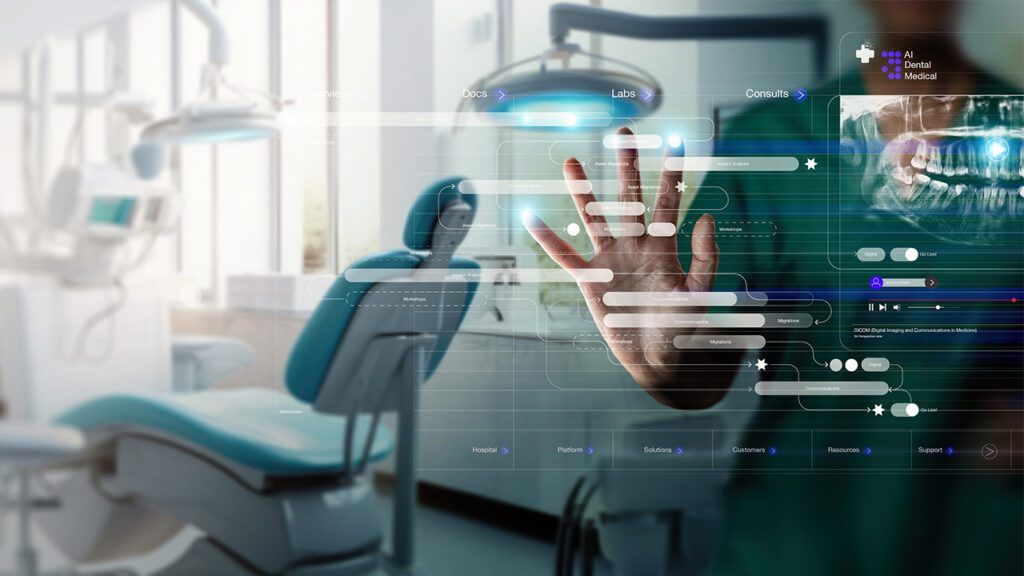
How does AI help your dentist? Dr. Ryan Collins explains how Banana River Dental uses Overjet AI x-rays to catch hidden cavities and bone loss. Read more!
Why do cavities return as we age? Dr. Ryan Collins of Banana River Dental explains dry mouth, gum recession and how to protect aging teeth. Read more!